Decoding the Iron Tides: Steel Construction and the Future of Canadian Resorts
Is British Columbia on the verge of a constructional overhaul? Or put differently: are we on the cusp of a steel revolution in the Canadian real estate market? Recent developments suggest we might be.
According to an ambitious new proposal, North Vancouver’s treasured Mount Seymour Resort is in line for a massive expansion over the next six decades. The epoch-spanning plan not only hints at a potentially exciting future for the ski resort but could also shine a spotlight on how the wider Canadian construction industry, particularly the resort sector, might evolve in the coming years.
Could Mt. Seymour Resort Expansion Trigger a Steel Building Boom?
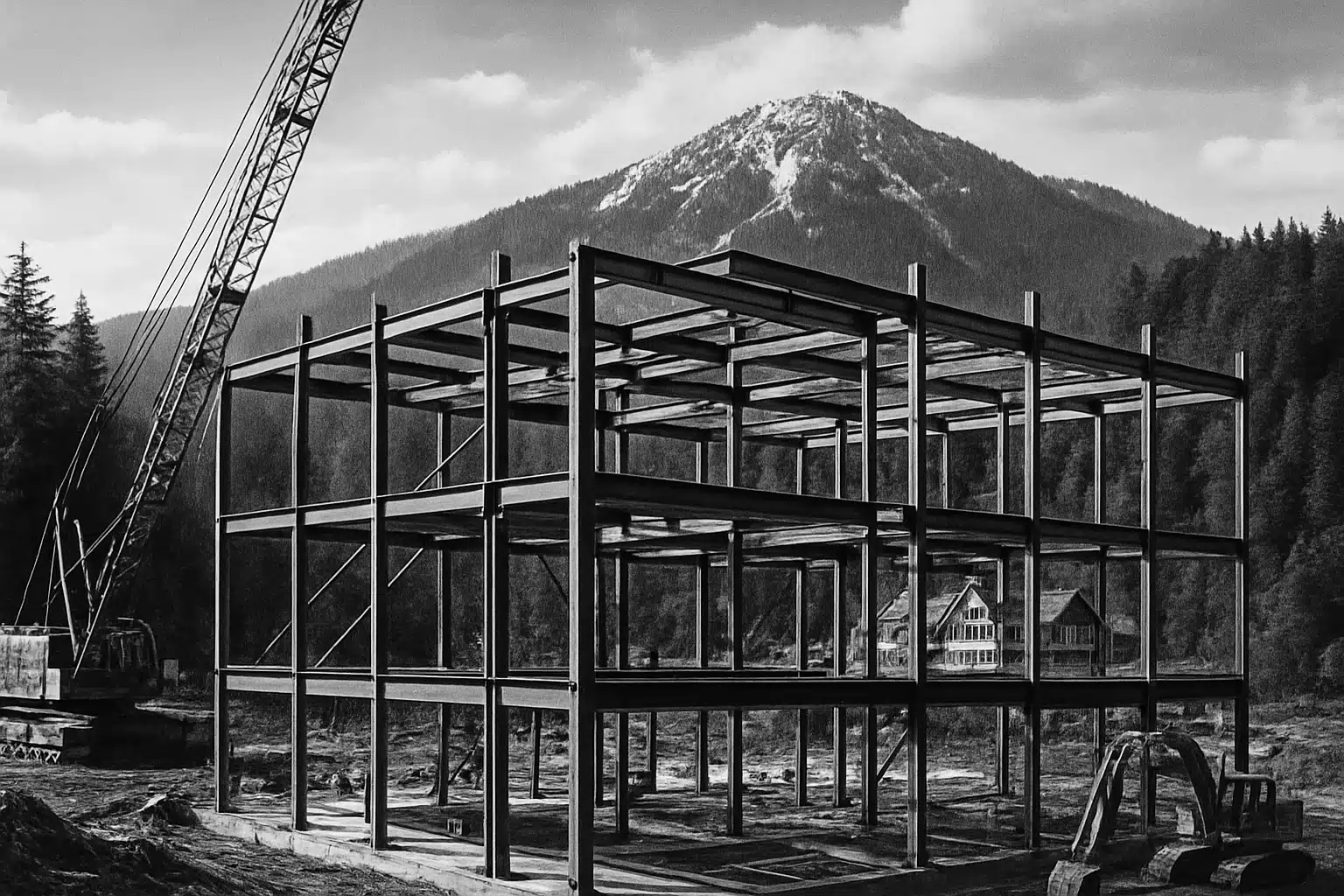
The proposed Mt. Seymour Resort renovation stands poised to potentially kickstart a significant trend towards the utilization of steel structures in major Canadian resort developments.
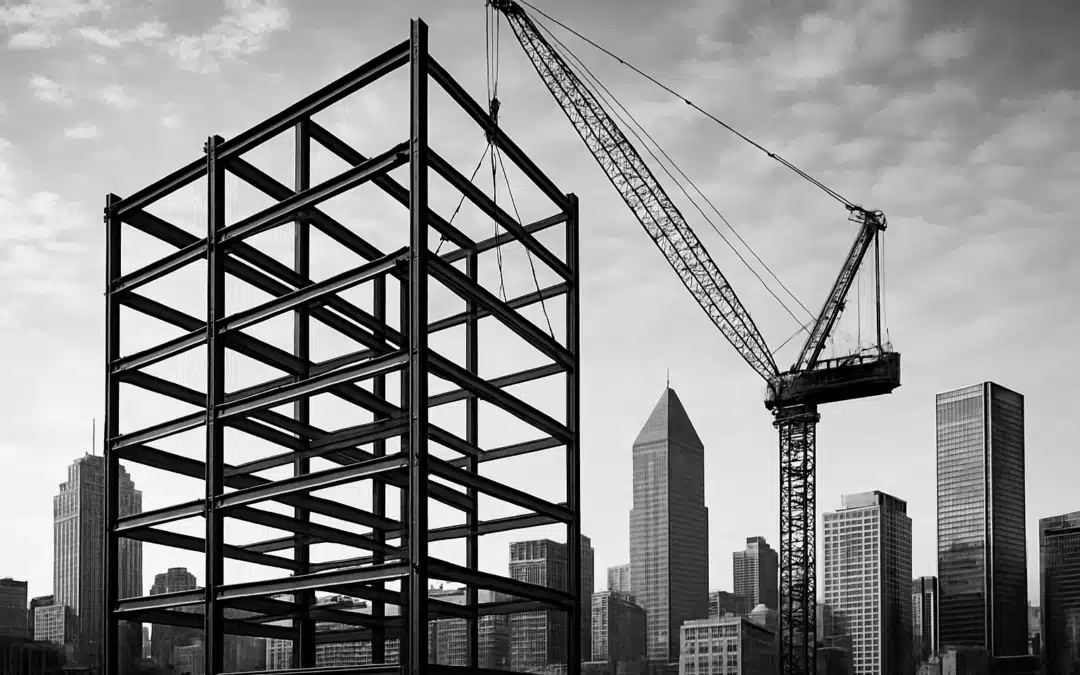
Steel construction offers crucial advantages over traditional building materials. It is cost-efficient, harnesses remarkable speed of assembly, and aligns seamlessly with the growing embrace of sustainability in global industries. Thus, any turn towards regenerative steel development could signal a bold, innovative era for the Canadian real estate market.
How Can Steel Construction Fuel Cost-Efficiency?
Steel structures provide exceptional cost benefits due to their durability and low maintenance demands. By opting for steel constructions, developers can cut back on the expenses associated with periodic upkeep and repair, which can be a huge drain on financial resources with traditional materials.
Our British Columbia steel buildings exemplify such innovative, cost-efficient design and construction. They showcase how optimized steel building solutions can lead to substantial savings in the long run, while delivering robust and attractive structures.
Does Steel Provide the Fastest Assembly?
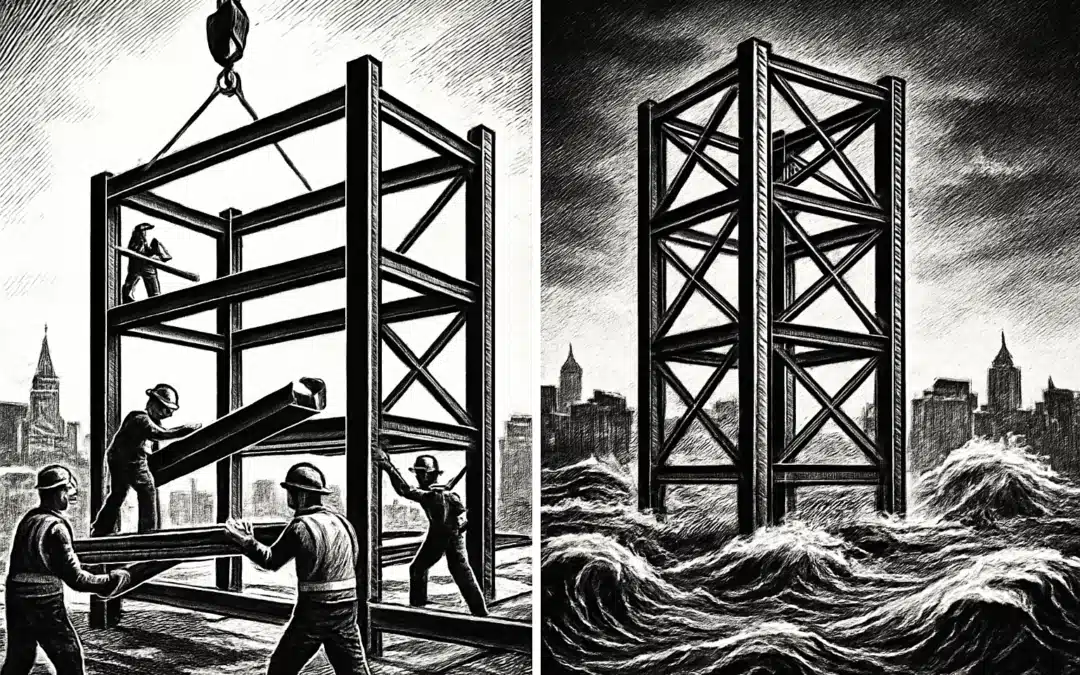
Yes, it does. Embracing steel equates to embracing swift construction times. It’s like a now-familiar analogy: “Building with steel is like playing with industrial-grade Lego.” The pieces come precision-cut and ready to assemble, speeding up construction times dramatically.
Take, for example, the Barndominiums in British Columbia. With a steel frame as the core, these unique structures can be erected in a fraction of the time it would take to build traditional structures.
How Does Steel Align with Sustainability Goals?
As the world grapples with climate change, industries are under pressure to transition to sustainable practices. Steel structures are a win for sustainability – they are recyclable and can be repurposed at the end of their lifecycle, ushering in a vital circular economy in the construction sector.
Moreover, steel-framed structures like the storage buildings in Surrey are testament to the capacity for steel to be utilized in a manner that minimizes waste and carbon footprint.
Pro Tip for Developers
Don’t be afraid to embrace innovation in construction. As Mt. Seymour’s expansion indicates, the future of the Canadian real estate sector lies in sustainable, cost-efficient, and rapid construction methods. The versatile nature of steel makes it an immensely valuable resource for future developments.
We invite you to join this conversation. Are you considering adapting your building strategies this year? If so, how? Feel free to share thoughts, ideas, and experiences in the comments section below.
Source: Read original article here.