Floods in B.C.: Revealing the Unassailable Edge of Steel in Canadian Construction
In the wake of catastrophic flood warnings in British Columbia’s Southern Interior, causing over 150 properties to be placed under evacuation alert, one thorny question demands some urgent attention: How will the real estate and construction industry in Canada adapt to such environmental upheavals?
Why Should the Construction Industry Reassess Its Strategies?
Environmental concerns, including climate change-induced natural disasters such as floods, are no strangers to the real estate market. The recent events in southeastern B.C. have prompted a critical need for innovative, resilient, and cost-effective construction practices. And what could be a better solution than steel?
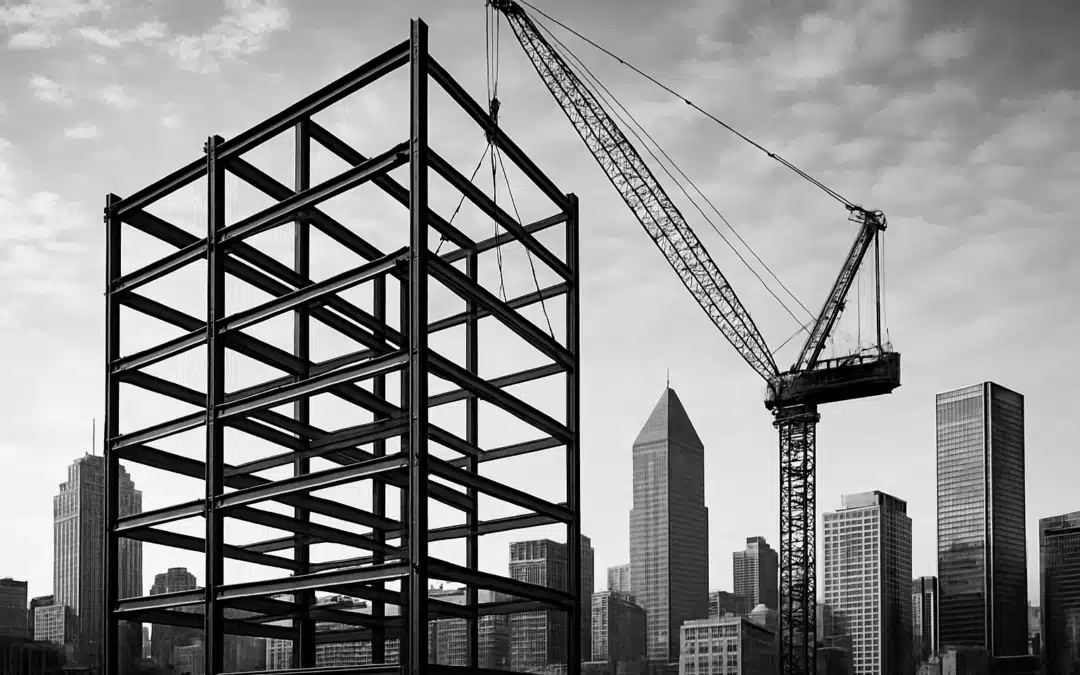
Steel buildings, known for their durability, cost-efficiency, and fast assembly, are emerging as a sustainable response to the mounting environmental challenges. Picture it this way, building with steel is like playing with industrial-grade Lego, but with benefits that can mitigate disasters like these.
How Can Steel Stabilize Construction Costs?
In certain crucial aspects, steel considerably outperforms traditional building materials like wood or cement. Costs are a vital factor. Considering the ongoing market volatility and economic uncertainties around material prices, steel offers a level of consistency. It’s like setting your compass north amidst the storm; while all around you wavers, you’ve got something solid to rely on.
Given the extensive balance sheets of real estate developers, even a small cost saving could translate to significant financial advantages. Furthermore, by using steel, builders can avoid the escalating lumber prices that have made headlines lately, threatening our great Canadian tradition of timber-framed construction.
What Are the Speed Advantages of Assembling Steel Buildings?
In addition to cost-efficiency, the speed of assembly is another key strength of steel structures. This strategic advantage is incredibly beneficial in the current real estate market, which is facing an escalated demand for accelerated project rollouts and shorter delivery timelines. If constructing with wood is akin to writing each word by hand, using steel is like having a high-speed printing press at your disposal.
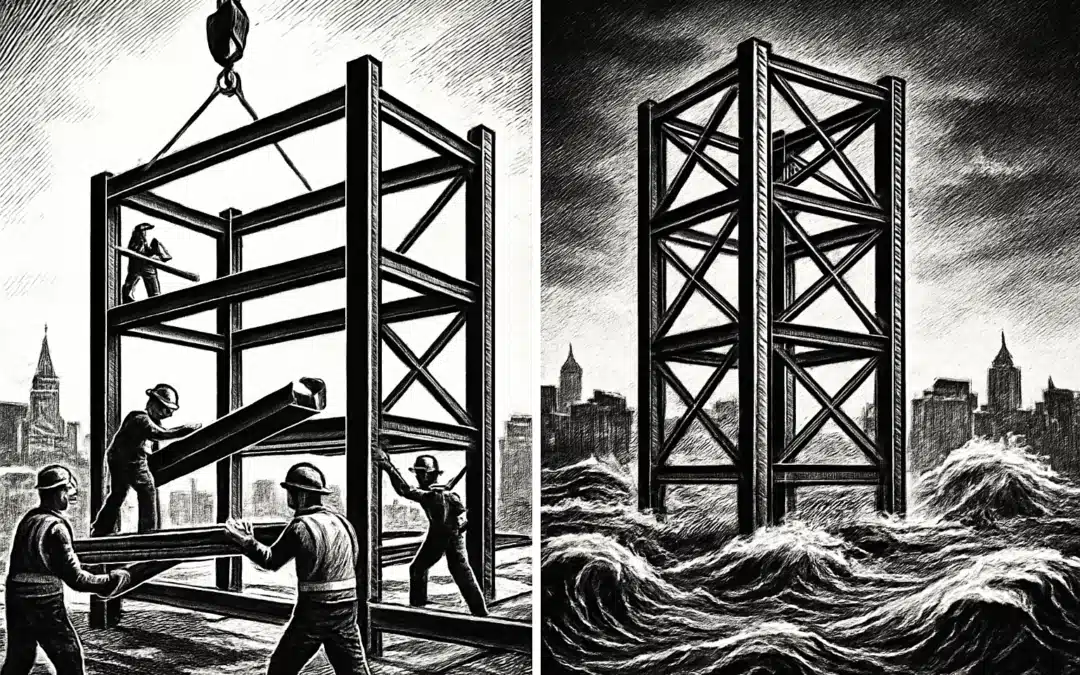
Steel buildings are typically pre-engineered, which enables easy and rapid erection on site. This means less construction time, hence, lower labor costs and earlier returns on investment for project stakeholders. Combining this practicality with an unwavering resilience against environmental challenges, steel emerges as the front-runner in this evaluation.
Can Steel Offer Sustainability in Construction?
Consider this: steel is 100% recyclable. In addition to reducing waste, it also reduces the need for resource extraction. When applied to the Canadian real estate market, steel construction directly contributes to the national goal of sustainable development. In the face of the environmental uncertainty that floods like the recent ones in British Columbia bring, it’s an approach akin to buying an umbrella before it starts raining.
To delve deeper into this, consider building a barndominium in Canada. The fusion of a barn and a condominium, this innovation epitomizes the ingenuity of steel construction. Moreover, these are not just functional, but also stylish. Look at this modern black garage in Whistler for inspiration. Steel buildings can indeed melt seamlessly into the local architecture of British Columbia.
The Future of Steel Construction in British Columbia
In light of these benefits, it’s worth considering the potential of British Columbia steel buildings to reshape the real estate and construction landscape amid environmental changes.
Source: Read original article here.
Pro Tip for Developers
Evolving your construction strategy in these changing times means embracing new, resilient materials and proactive planning. Disasters like floods can’t be prevented, but the impact on real estate can be minimized by making conscious, future-focused choices like steel.
So, developers and stakeholders, how are you adapting your construction strategies this year? Could steel be your knight in shining armour against the changing environmental landscape? Do share your views in the comments below. Together, we can build a more resilient future for Canada’s vibrant real estate market.