Steel: A Game-Changer for Vancouver Whitecaps’ New Stadium and the Canadian Construction Industry?
When it comes to real estate, one question that often lingers is: Are we using the most effective and sustainable techniques to build our cities? According to recent reports, the Vancouver Whitecaps may soon find themselves facing that very question. With Major League Soccer commissioner Don Garber stating that a new stadium deal is essential to the club’s future in the city, steel constructions may be the answer that both the club and the Canadian construction industry have been waiting for.
Why is a New Stadium Crucial for the Vancouver Whitecaps?
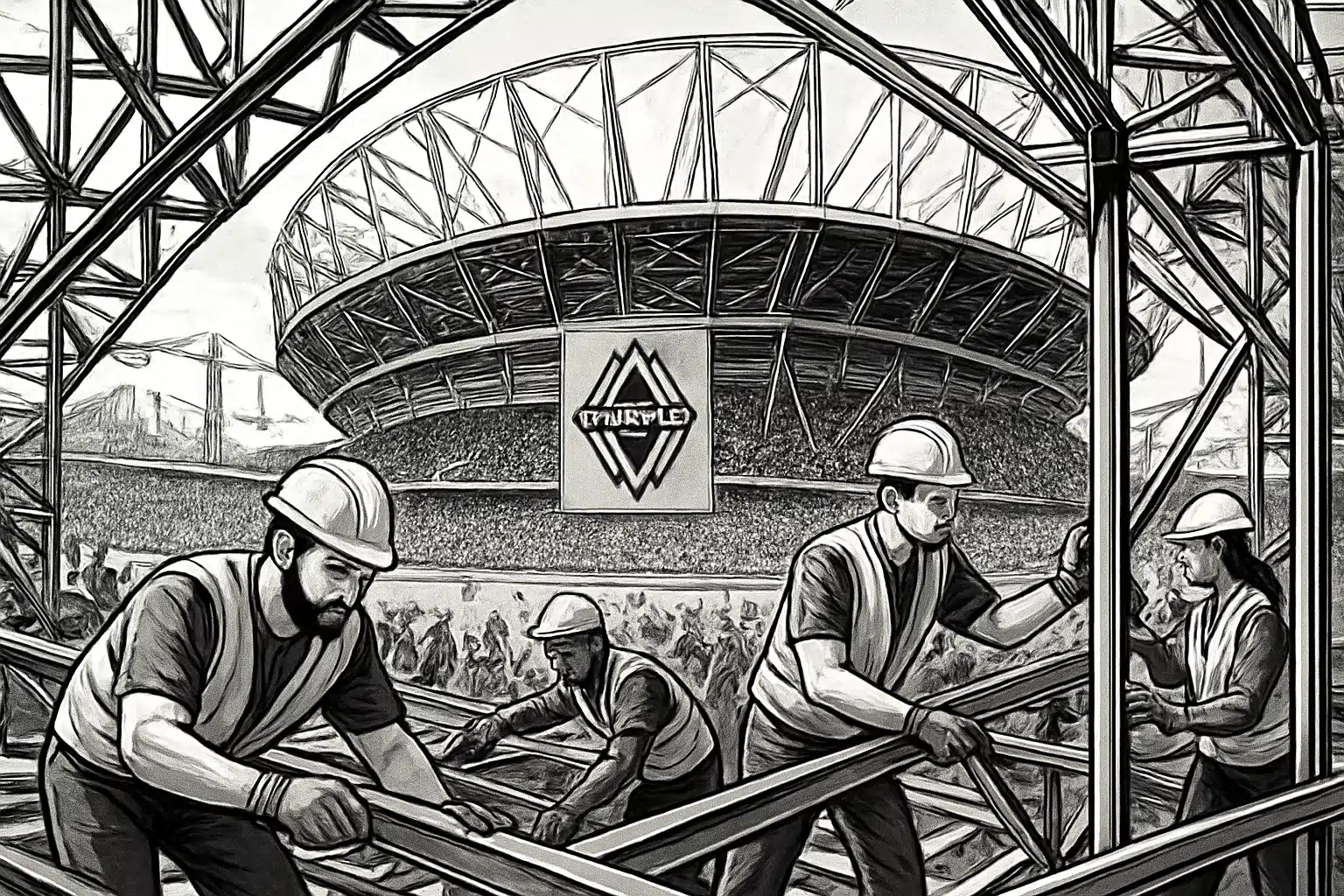
The case for a new stadium centres on potential revenue. Since 2011, the Whitecaps have been calling B.C. Place home – a government-owned entity operated by B.C. Pavilion Corporation. This arrangement unavoidably restricts the club from exploring alternative sources of income. Building a new stadium brings with it the prospect of increased revenue streams through naming rights, on-site advertisements, sponsored lounges, and most significantly, complete control over scheduling events.
Why Does Steel Stand Out in Modern Construction?
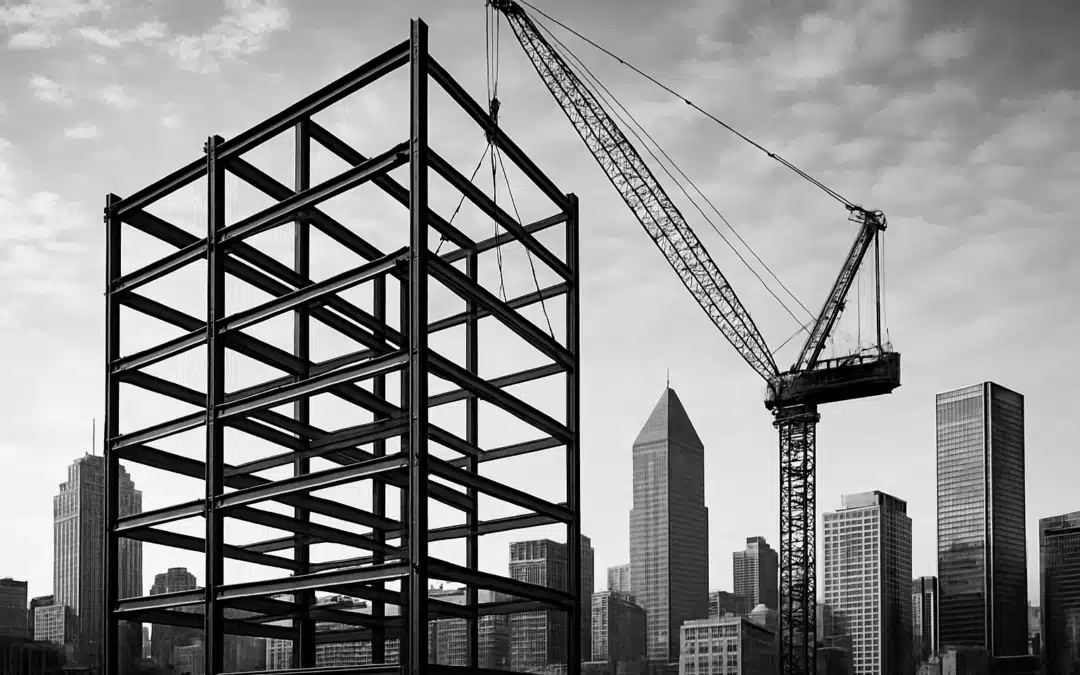
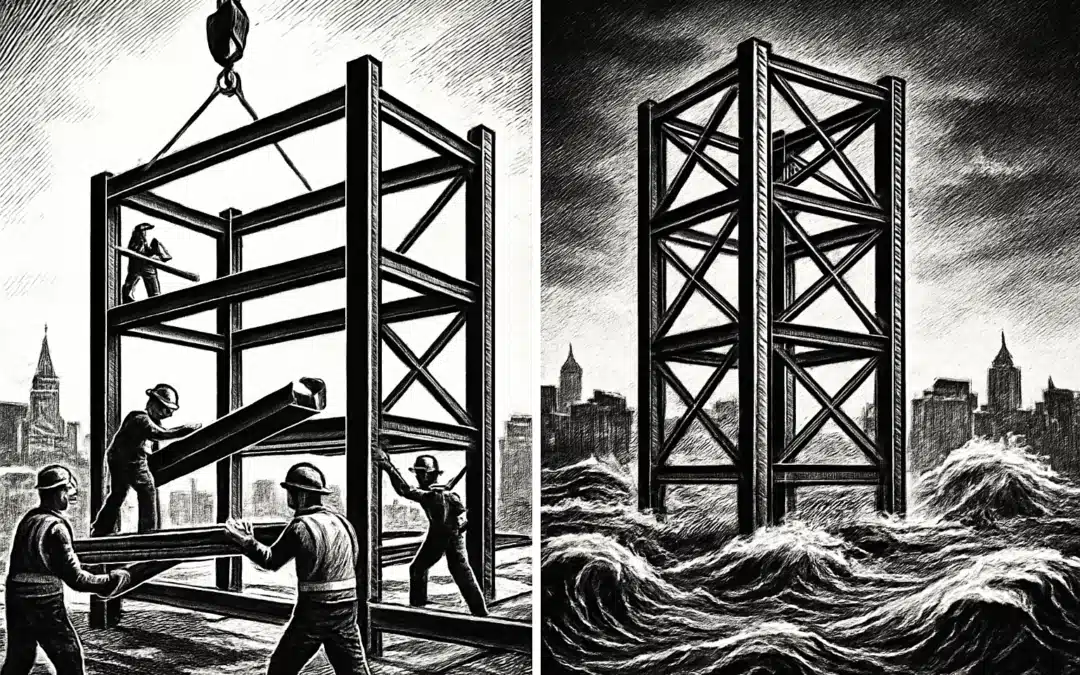
Enter steel. In a world increasingly vigilant about the environmental and economic impacts of construction, steel stands as a beacon of sustainability and cost-efficiency. When compared to traditional concrete or wood structures, steel buildings, particularly those designed in British Columbia, are far superior in three key areas: cost-efficiency, speed of assembly, and sustainability.
Using steel structures can dramatically cut costs by reducing the need for extensive groundwork, speeding up construction time, and decreasing maintenance expenses due to the material’s durability. Steel’s inherent strength also allows for innovative design flexibility – a critical feature for a modern stadium. Moreover, steel can be recycled indefinitely without losing any of its quality, making it a champion for sustainability.
How Will a Steel Stadium Benefit the Whitecaps Furhter?
A steel stadium is not just a sustainable and cost-effective solution; it’s a potential revenue booster for the Whitecaps. Given its modular nature, a steel stadium can be designed to accommodate different types of events, from concerts to conventions, thereby creating additional income opportunities. Equally important, the durability of steel can significantly decrease future upkeep costs, thereby increasing the return on investment.
How Will This Shift Impact the Canadian Construction Industry?
With its myriad benefits, an increase in steel construction could reshape Canada’s construction industry. If the Whitecaps proceed with a steel stadium, this could set a precedent for other clubs and industries. Other Canadian MLS teams may follow suit, fostering a boom in British Columbia steel buildings and beyond. This trend could also extend to residential buildings, sparking a surge in more sustainable and cost-effective Barndominiums in British Columbia.
The transformative shift towards steel could also diversify the skill set required in the construction industry, leading to an increase in specialist jobs, enhancing the industry’s economic impact, and modernizing the Canadian real estate scene.
By choosing a steel stadium, the Whitecaps could symbolize a head start into a future of sustainable construction in Canada. The clean, high-tech image of a steel stadium won’t only affirm their commitment to sustainability, but could potentially attract new eco-conscious fans and sponsors.
In Conclusion
Like a team positioning itself tactically on the soccer field, Vancouver and the Canadian construction industry need to strategize for long-term goals. As we chart the future of real estate, embracing sustainable and efficient construction methods, such as steel building technology, is like signing a star player – it elevates the entire game.
Source: Read original article here.
Pro Tip for Developers: Diversifying building strategies and embracing innovative construction methods like steel facilities may not only benefit your budget but also solidify your position in the drive towards a sustainable future.
We invite you to join the conversation below: How are you adapting your building strategies this year? What steps are you taking towards more sustainable construction and development?