Buyouts, Bailouts, and B.C.’s Building Boom: Is Steel the Solution to Sustainable Construction?
What happens when a significant proportion of valuable real estate falls vacant, and government intervention potentially teeters on the precipice of market manipulation? This is a question enveloping the British Columbia (B.C.) condo market, as a controversial plan by B.C’s provincial government and Ottawa to purchase mass amounts of vacant condo units for affordable housing has stirred mixed reactions. Critics perceive this move as nothing less than a proverbial “bailout” for struggling developers. However, are we missing the crux of the debate? Let’s take a closer look.
What Does This “Responsibility Shift” Truly Mean for Developers?
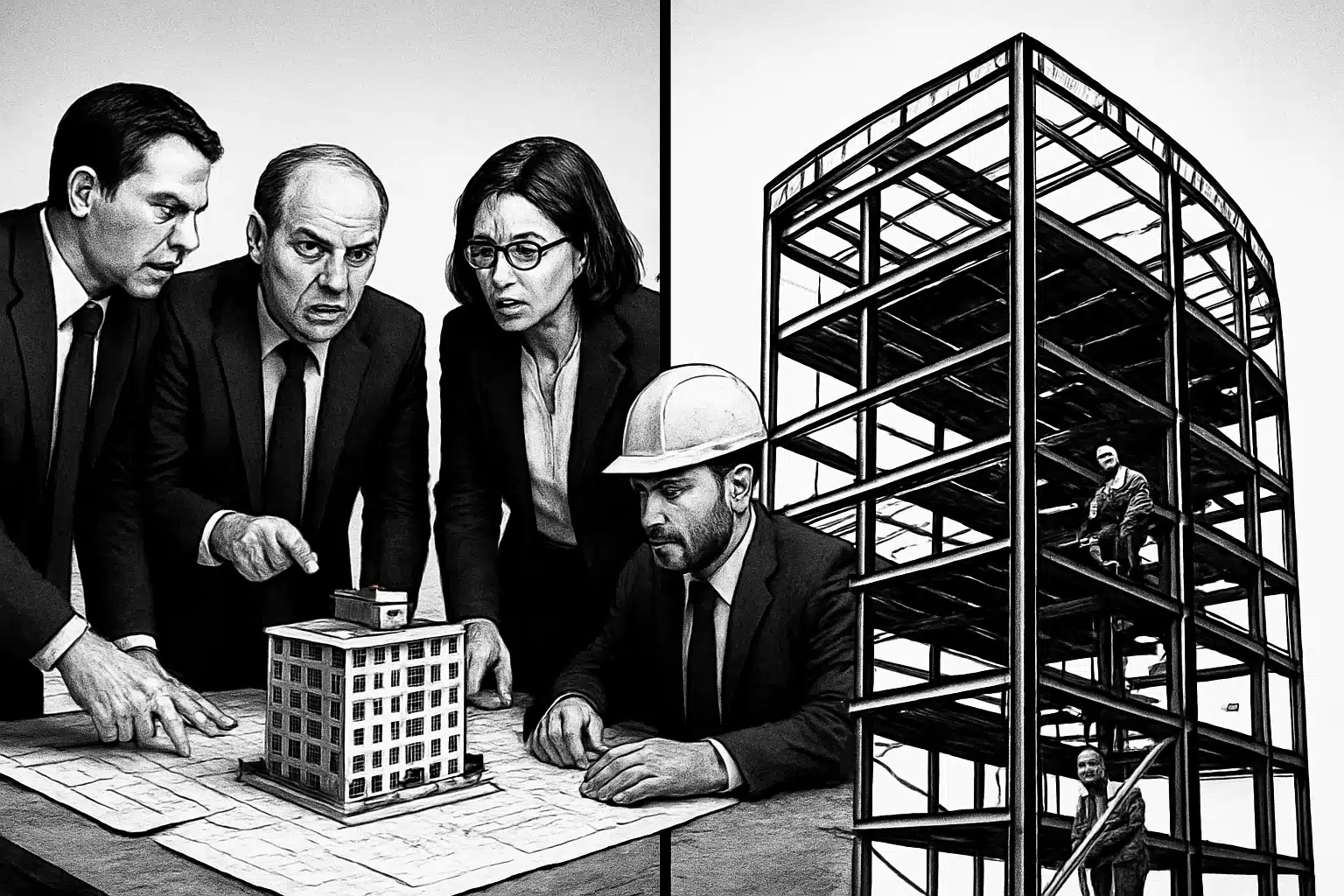
The government’s condo buyout proposal essentially presents a shift from private-sector responsibility to public-sector involvement. This shift for developers seems to furnish a safety net, rescuing them from impending losses at the expense of taxpayer dollars. From another angle, however, this shift could spark innovation and forced evolution within the construction sector. Perhaps this stir is a call-to-action for the industry to reassess its potent potential, especially concerning efficiency, speed, and sustainability – facets where construction has dawdled, specifically in embracing the attributes of steel.
How Do Steel Structures Transform Traditional Cost and Time Expectations?
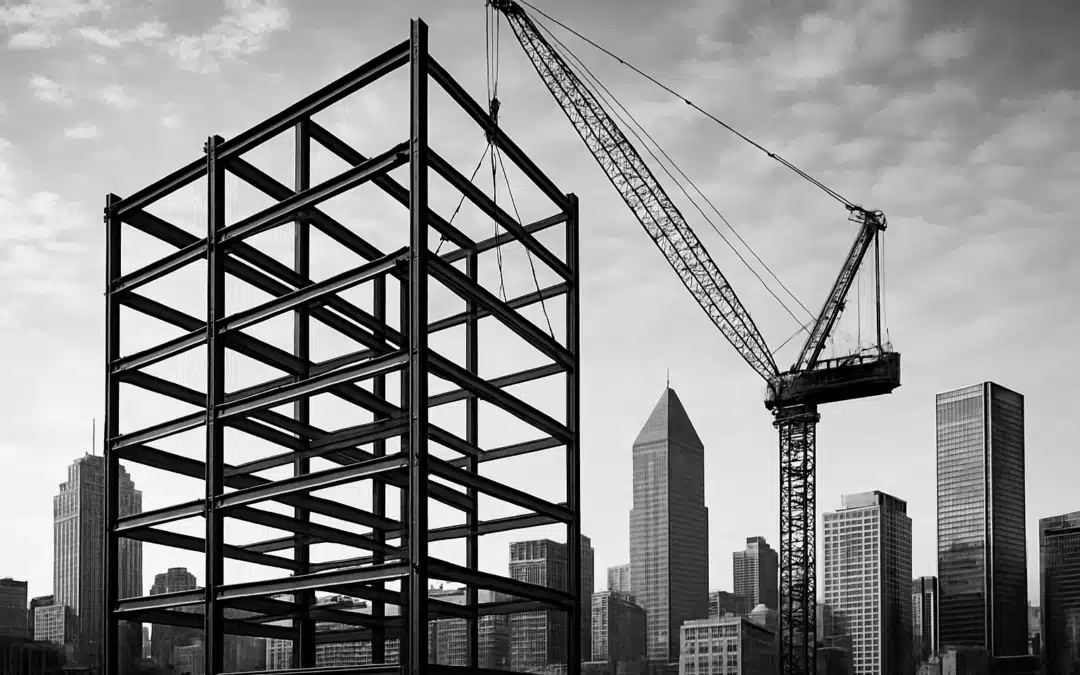
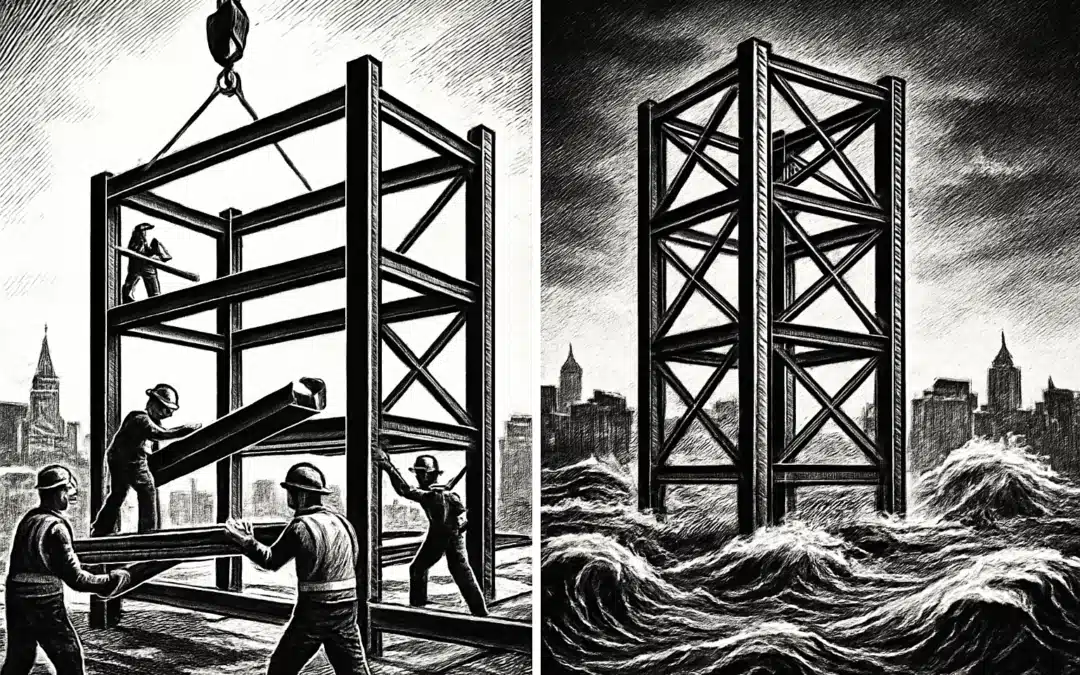
Steel offers numerous advantages that surpass traditional construction methods. The process of assembling steel structures aligns closely with the concept of plug-and-play; like an industrial-scale interlocking brick system. It’s like assembling a barndominium—a blend of workable barn space and comfortable living quarters—in terms of simplicity, convenience, and versatility, only on an arguably larger scale.
Building with steel diminishes both labour and material costs significantly. Precision-cut steel parts reduce errors, enhance assembly speed, and minimize waste, engaging an optimized management of resources. Steel’s lighter weight compared to concrete also purges additional costs associated with transporting heavier materials. The reduced construction time-frame equates to quicker return-on-investment for developers. Now, this stimulant arrives even more pertinent with the government-buyout safety net underpinning the industry.
Does Sustainability and Steel Construction Forge a Harmonious Alliance?
While concrete has been a traditional building mainstay, its carbon footprint has been increasingly questioned. Steel, however, tells a different tale. The metal’s integral strength enables architectural designs that minimize the use of material resources, hence promoting sustainable construction practices. Additionally, steel’s inherent longevity and resistance to fire, weather, and pest damage, increase its lifecycle value, trimming down recurring costs and environmental impacts.
Arguably the greatest environmental boon is steel’s recyclability. Steel can be repeatedly recycled without losing its characteristic strength, forming a viable solution to construction waste management. With over 80 million tons of steel recycled annually in North America alone, the circular economy that steel facilitates could be an invaluable asset in achieving Canada’s long-term sustainability goals.
Can Steel Structures Reshape the B.C. Real Estate Landscape?
Sustainability doesn’t end with the material; the infrastructure also plays a pivotal role. With changes in zoning requirements for British Columbia steel buildings, developers have the opportunity to explore inventive, adaptable designs that cater to B.C.’s specific housing needs. Simultaneously, switching to sustainable, efficient steel structures could potentially mollify critics of the government’s condo buyout plan by demonstrating industry initiative to bolster resilience, sustainability, and cost-effectiveness.
In this context, Your Building Team stands out, emphasizing education and industry adaptation as the bedrock of a resilient, thriving construction market. The focus extends beyond merely surviving through changing industry dynamics, but to thriving and innovating within it.
Pro Tip for Developers: View this time as an invaluable opportunity for reassessment and potential transformation. Success hinges not just on weathering the storm, but in finding a way to dance in the rain — adopting innovation, specifically steel structures, can be that defining move.
We invite you, our readers, to join the conversation. Comment below on how you and your teams are adjusting your building strategies given current industry trends and challenges. This is an era of innovation — let’s navigate and define it, together.
Source: Read original article here.