The Federal-B.C. Condo Acquisition: A Bailout or a Boon for the Canadian Construction Industry?
Have you ever considered the dramatic cliffhanger that is the B.C. real estate market right now? As the pendulum swings, so does the future of the construction industry, with potential game-changing decisions from the federal and B.C. governments.
Why Is This Federal-B.C. Condo Purchase Causing Controversy?
Conservative Leader Pierre Poilievre has loudly opposed the federal and B.C. governments’ recent plan to purchase vacant Metro Vancouver condo units and convert them into affordable housing. Poilievre brands this plan as a “bailout” for developers, a move he insists should be cancelled immediately. But is it simply a bailout, or could there be potential benefits for the construction and real estate sectors hidden beneath the political uproar?
Steel Construction: The Unsung Hero in Canada’s Housing Crisis?
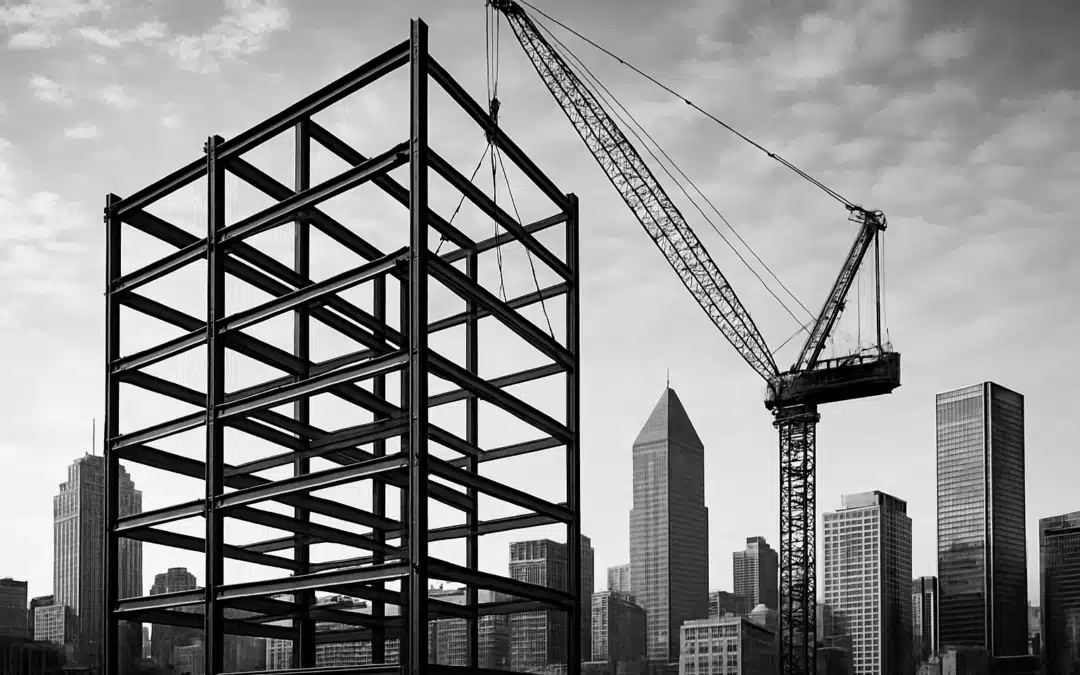
In the heat of the discussion surrounding the affordable housing crisis, one solution that often goes unnoticed is the efficiency and potential of steel construction – a method that could revolutionize the industry and help to meet Vancouver’s housing needs. Buildings made from steel are not just cost-effective; they also deliver speed, durability, and sustainability benefits, morphing construction into a modern, agile sector enabled by industrial-grade Lego.
Impressive, isn’t it? Steel structures don’t just rise to the occasion; they are efficient, quick to assemble and environmentally accountable, contributing to a more sustainable Canadian construction industry.
How Can Steel Constructions Address Vancouver’s Housing Gap?
The government’s plan to repurpose vacant condos does little to address the pressing need for more building. In contrast, turning to steel construction could fast-forward the creation of affordable dwellings. The cost benefit of British Columbia steel buildings is reliable and real. Need proof? Consider this – the cost of construction per square foot for steel buildings is significantly less than traditional construction methods.
Speed of Assembly: Get More Done, Faster
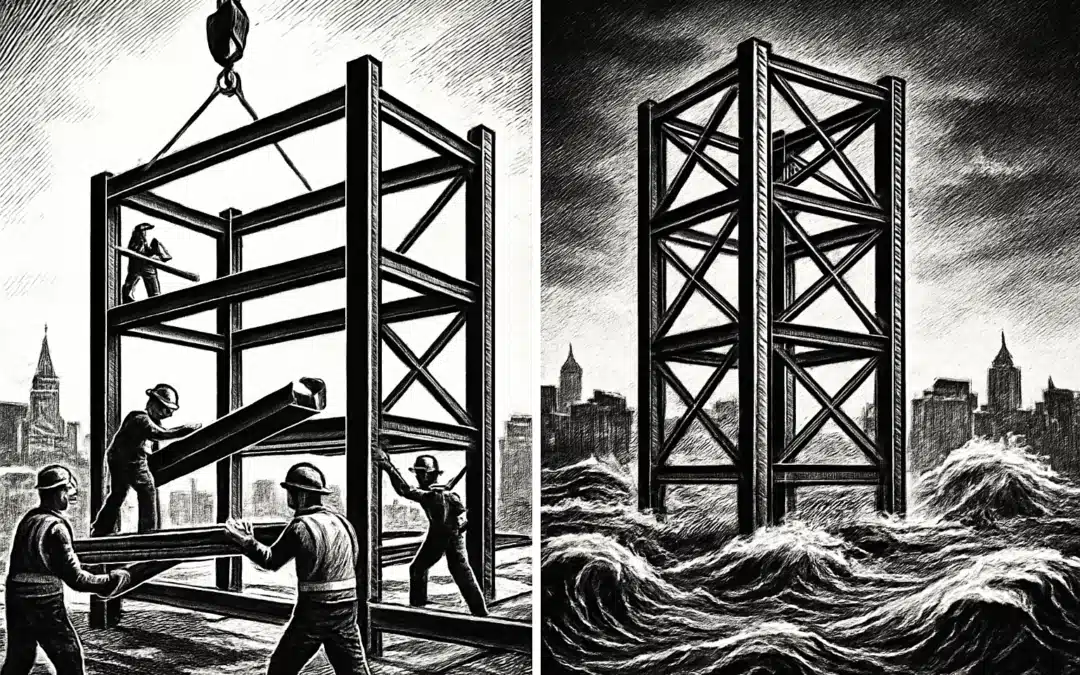
If construction were a track and field event, steel structures would win the gold every time. The assembly pace of barndominium-style steel buildings is impressively swift due to the prefabricated nature of the components. This reduced construction timeline can mean a faster return on investment for developers and quicker housing solutions for those in need.
The Sustainability Factor: Why It Matters?
As we strive to meet critical housing needs, it’s also essential to consider the environmental impact of our actions. It’s not a case of choosing between affordable housing and sustainability; with steel construction, you can have both. The construction of a large agricultural storage facility in Kelowna showcased just how sustainable steel buildings can be, making a strong case for steel over other conventional building materials.
The Verdict: Is This a Bailout, or an Opportunity?
While Poilievre’s outcry frames the federal-B.C. condo purchase as a bailout for developers, we believe this situation provides an opportunity to reconsider our current construction practices. It’s time to leverage the impressive qualities of steel construction – a choice that could bridge the gap between affordable housing demand and supply while fostering a more sustainable, resilient Canadian building industry.
A Pro Tip for Developers:
Embrace the steel revolution – it’s not just about cost-efficiency, speed, and sustainability. Steel construction also provides versatility in design, durability, and resilience in the face of natural disasters, ensuring a profitable and reliable investment.
It’s your turn now, folks! How are you planning to adapt your building strategies this year? Let us know in the comments.
Source: Read original article here.