H1: Steel in the Heat: Evaluating the Long-Term Implications of Climatic Extremes on the Canadian Construction Industry
Can we really continue to build the same way in the context of rising temperatures and extreme weather patterns in Canada? The recent heat wave in southern Ontario provides a wake-up call to the industry: adapt or perish.
What Role Does Climate Play in Construction?
The impact of climatic factors on real estate construction is undeniable. Variables such as temperature, humidity, and air quality can significantly influence construction timelines, material choices, and even the overall lifecycle of a structure. For instance, extreme heat conditions can disrupt site productivity, impact workers’ safety, and even impair material performance.
In Ontario’s scorching summer heat, the need for highly resilient and cost-efficient materials is paramount. Enter steel – the unsung hero of resilient building materials.
Why are Steel Structures the Answer to these Challenges?
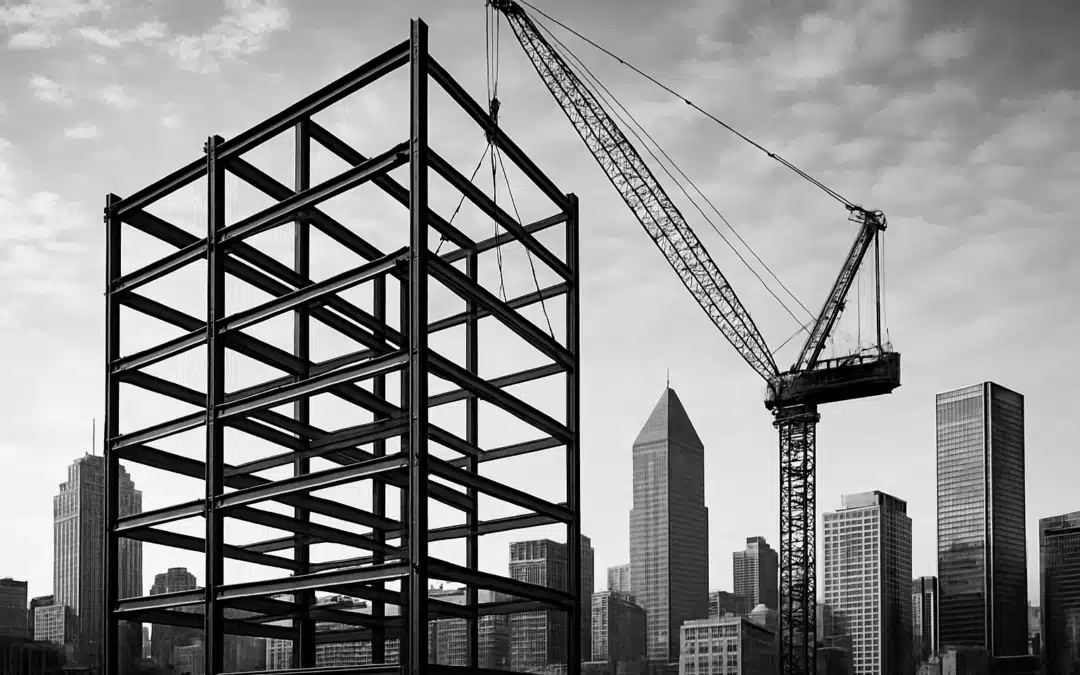
Steel structures offer three key advantages to tackle challenging climatic conditions: cost-efficiency, rapid assembly, and sustainability. It is like playing with industrial-grade Lego, where each piece is designed for a purpose, optimized for durability, and ready for assemblage.
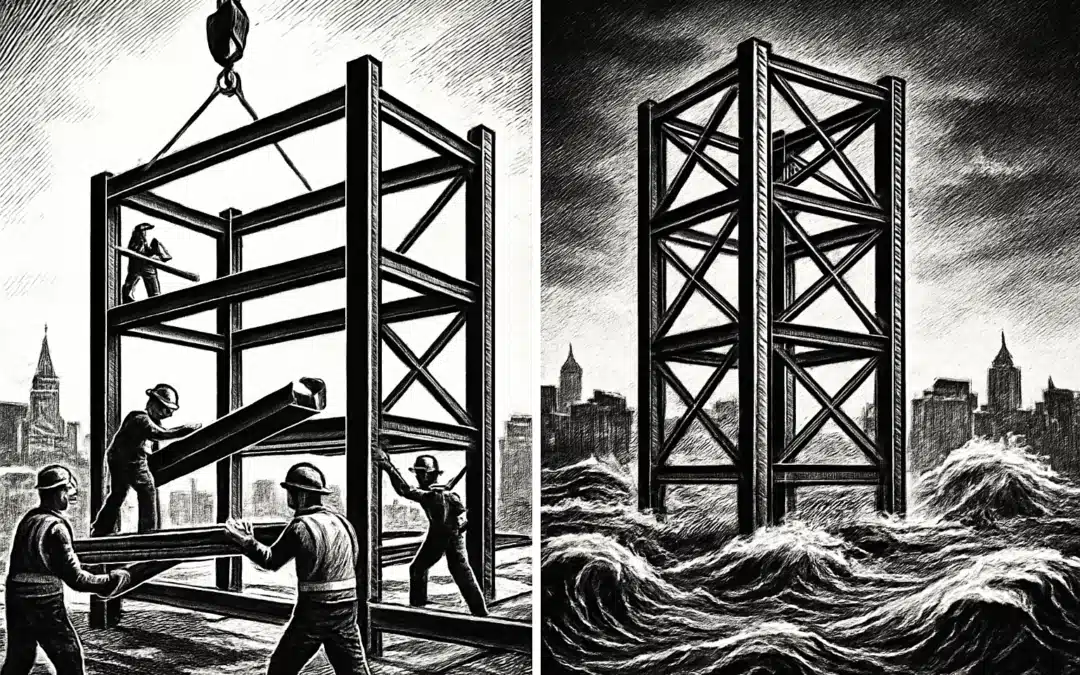
Steel – particularly in prefabricated elements – allows for quick on-site assembly, reducing the time workers are exposed to harsh weather conditions. Furthermore, steel is a sustainable choice due to its recyclability, contributing to the green building portfolio and helping builders meet their environmental targets.
The Benefits of Steel in Economic Terms
Steel structures present an unbeatable case of cost-efficiency. Besides the direct cost savings from rapid assembly and minimal maintenance, steel also offers indirect benefits. The longevity of steel buildings mitigates future structural repair costs, enhancing the life-cycle cost efficiency. For instance, a recent boat storage building project in Kingston, Ontario, completed in record time and with substantial cost savings, showcased the efficiency of steel construction.
How Can We Utilize Steel Construction in Extreme Weather Conditions?
Whether it’s fighting the summer blaze in southern Ontario or resisting icy cold in the north, steel buildings prove their mettle. As regional solutions, steel constructions like steel buildings in Ontario, are designed to withstand specific local weather conditions. These buildings offer resistance against the harshest elements, with incredible durability and longevity, attributes invaluable in areas experiencing climate extremes.
Steel: A Sustainable Material for Future Construction
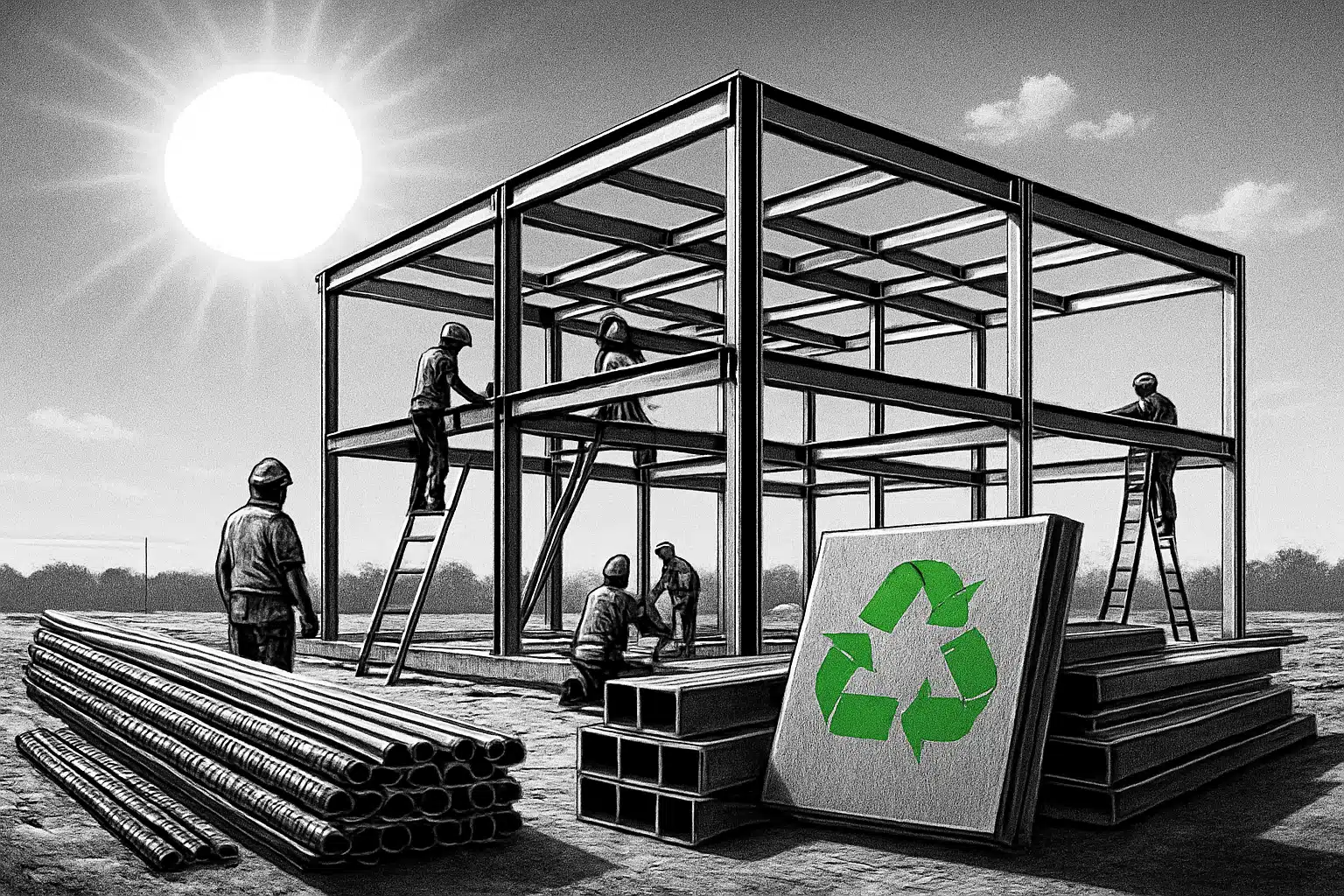
In our search for sustainable construction solutions, steel emerges as a bright contender. It is 100% recyclable, contributing significantly to the drive for circular economy in the construction industry. Moreover, energy-efficient innovations in steel manufacturing further underline its position as a sustainable material. As shown by a steel building kit in our portfolio, utilising steel structures can play a central role in eco-conscious development.
In conclusion, accelerating climate change poses inevitable adaptation challenges for the Canadian construction industry. The adoption and effective implementation of resilient materials like steel shall play a crucial role in meeting this challenge head on.
Pro Tip for Developers: Embrace the opportunities created by evolving climate conditions. Experiment with resilient materials such as steel and aide in creating buildings that are not just structures; but sustainable, cost-effective icons of resilience.
We invite you to share your thoughts and experiences. How are you adapting your building strategies in the face of these climatic challenges?
Source: Read the original article here.