Data-Centre Heat Recycling: An Opportunity for Steel Construction in Canada?
Ever wondered how a modest rise in room temperature could reshape the landscape of the Canadian real estate and construction industries? Brace yourself for some enlightening revelations on this seemingly unlikely connection among data centres, heat recycling, and magnitude of consequences it poses for the steel construction industry.
How Does Heat Generation by Data Centres Connect With Construction?
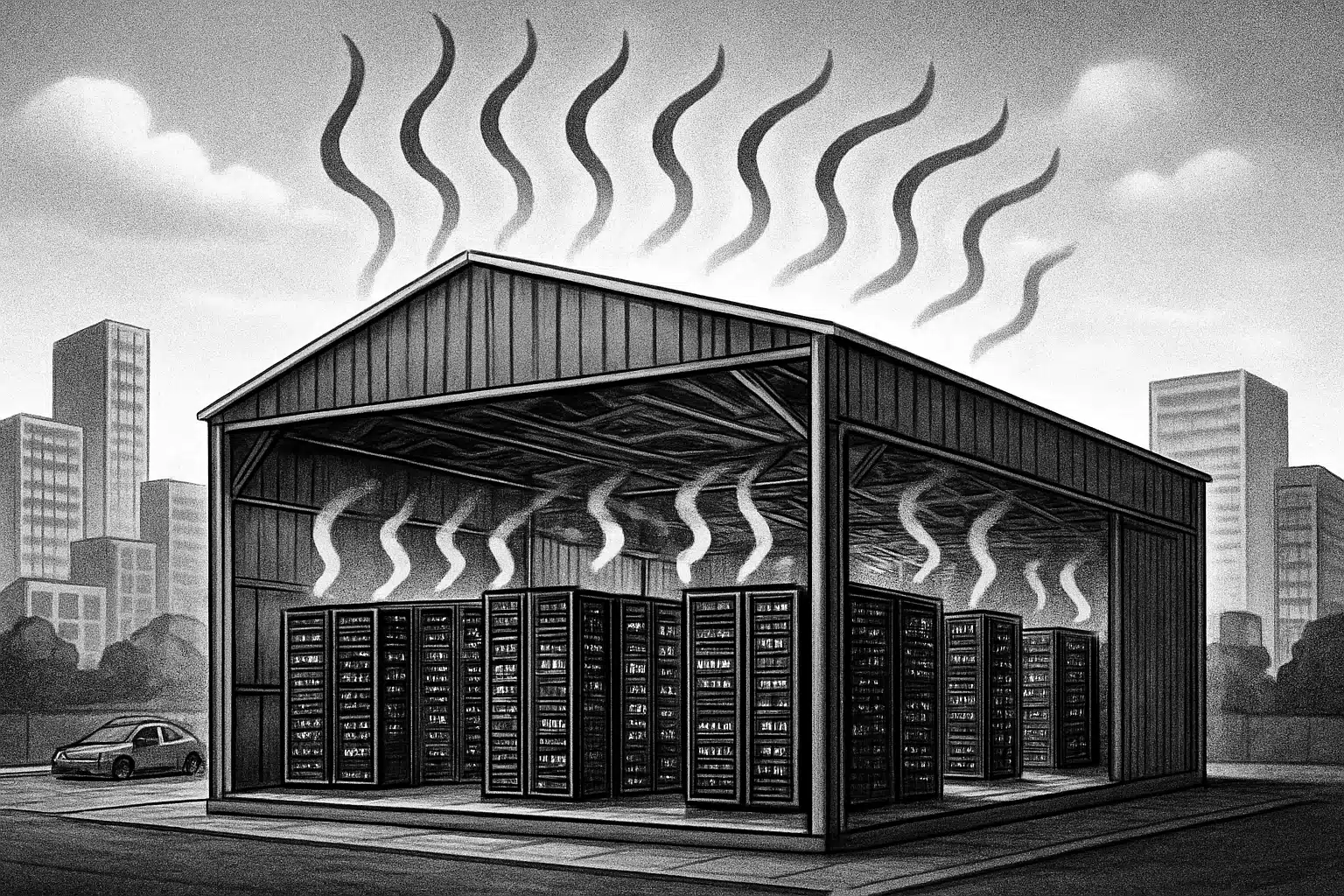
With the increasing reliance on digital services, data centres’ mushrooming is inevitable. Interestingly, these power-hungry facilities generate substantial amounts of heat – traditionally perceived as wasted energy. However, if McMaster’s Professor James Cotton’s perspective is to be considered, managing this heat generation correctly could transform it into a valuable resource.
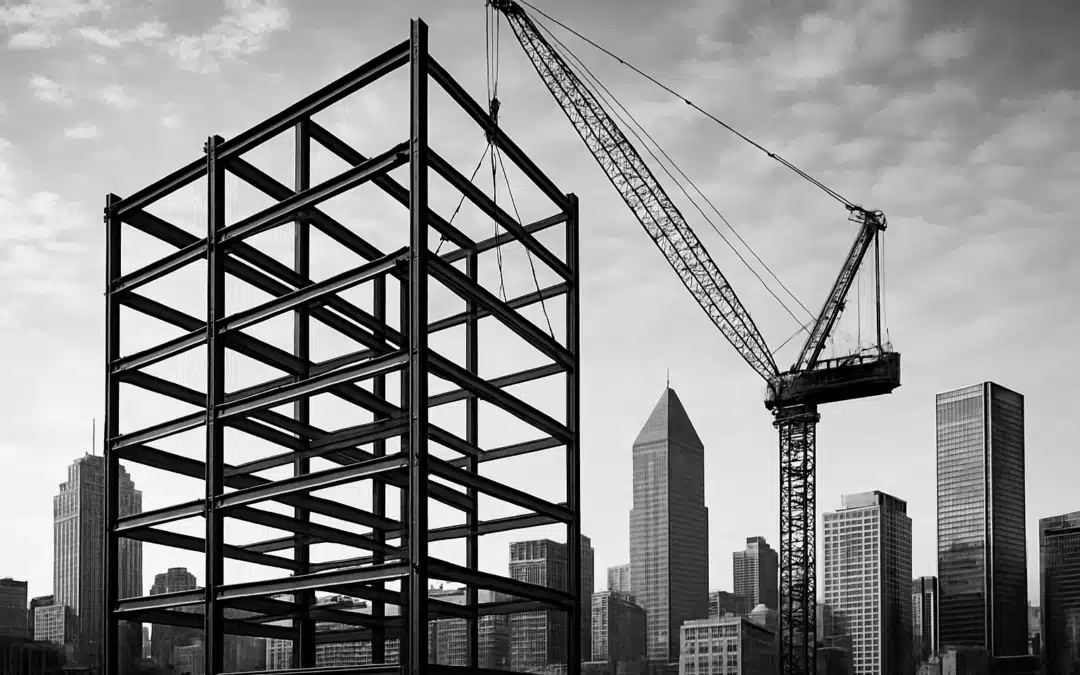
Data centres, restaurants, power plants, and steel buildings could effectively recycle this heat as an energy source. This revelation offers an exciting prospect for steel construction, considering its flexibility in design, quick assembly, and potential for incorporating innovative technologies.
How Could This Shift Impact the Canadian Real Estate and Construction Market?
The incorporation of heat recycling capabilities in steel constructions could lead to significant shifts in the Canadian real estate and construction landscapes.
Firstly, integrating heat recovery systems could greatly lower operational costs for businesses occupying steel structures. These include data centres and other industrial and commercial spaces. Consequently, these reduced operational costs will eventually reflect a more favourable bottom line for occupants, elevating the demand for such properties.
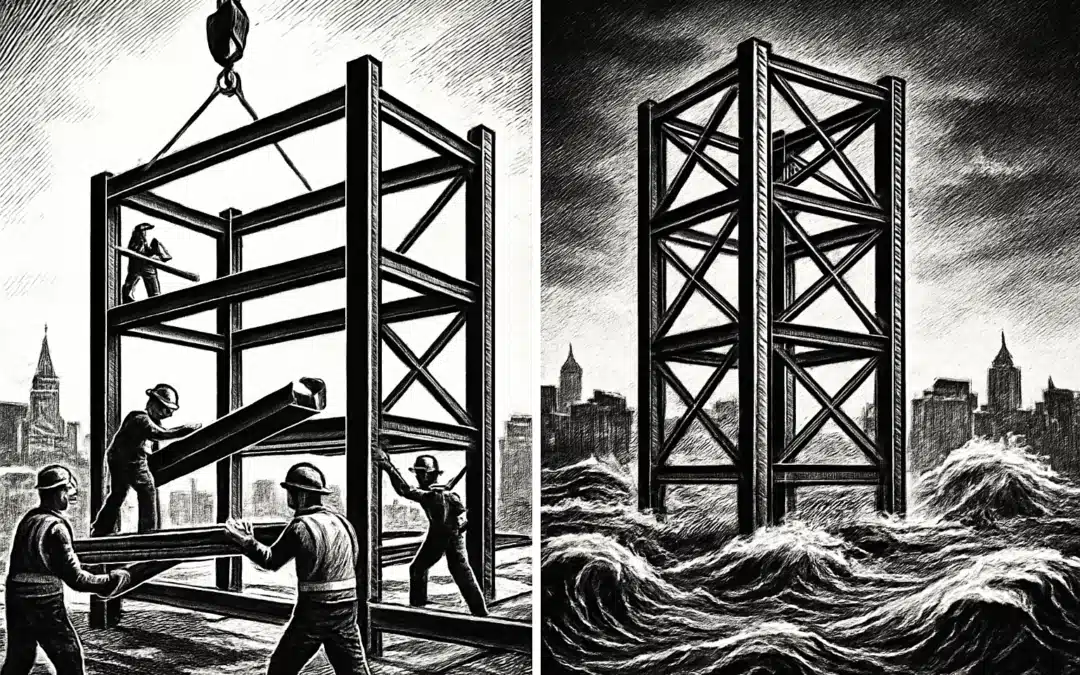
Secondly, the speed of assembly for steel buildings could be a game-changer. Shorter construction time means faster occupancy and a quicker return on investment, appealing to property developers and businesses alike.
Thirdly, increased sustainability makes steel structures highly attractive. A building that recycles heat and serves a dual purpose — providing structure and energy — dramatically reduces its carbon footprint. Thus, steel constructions employing heat recycling become more environmentally friendly choices.
Could Heat Recycling Influence the Design and Construction of Steel Buildings in Ontario?
Undeniably so. Ontario, with its bustling data centres and commercial establishments, stands to gain significantly from heat recycling in steel buildings.
Data centres situated in steel buildings in Ontario could serve dual functionality – housing data, and serving as mini power plants. Moreover, their quick assembly, thanks to products like 50x100x16-ft steel building kits, ensures affordability and efficiency.
The heat recycling capability could also impact the design of steel buildings in Ontario. With heat recovery as a central function, the design could be aligned to extract maximum benefits of this facility.
Winter-Ready Steel Buildings: A Local Solution
Heat recycling can be a boon to Canadian cities like Hamilton and those in Ontario. For instance, winter-ready steel buildings in Ottawa and Eastern Ontario could utilize waste heat to mitigate the harsh winter conditions. This could make such buildings more self-sustaining and economical during energy-demanding seasons.
What Does the Future Hold for Steel Construction Industry?
The future of the steel construction industry appears promising with innovations in heat recycling and energy efficiency. While this transition won’t happen overnight, the first steps are underway. The long-term impact could range from revolutionizing the arena of commercial and industrial building designs to potentially reducing the region’s carbon footprint.
Source: Read original article here.
Pro Tip for Developers: Adaptability is critical in this evolving industry. Consider exploring innovative technologies like heat recycling in your upcoming projects. The cost-efficiency, quick assembly, and sustainability of steel structures could lead to noteworthy returns in the long run.
We invite you to share your thoughts and discuss how you plan to adapt your building strategies this year.