Bridging the Gap to the Future: Steel Construction as a Solution for Fort St. John’s $185M Project
Bracing for a record-breaking budget in BC, don’t we literally need a solid pool of solutions?
With a whopping estimate of $185M, the proposed swimming pool and recreation centre in Fort St. John could become one of the most expensive constructions of its kind in Canada. Economically, what will be the ripple effect? And architecturally, how would it shape our approach to community buildings in BC, and even across Canada?
Looking beyond the splash: What does the financial plunge indicate?
The high cost of this proposed centre raises many questions. Some may argue that it signifies the growing importance of recreational and community areas given the lessons of the COVID-19 pandemic on public health. Others may speculate it’s a desperate shout out for sustainable and cost-effective solutions in real estate development, especially in public infrastructure. Therefore, it’s a golden opportunity to confirm yet again that steel constructions offer a compromise that ticks both boxes.
Can steel structures save the day, and not just dollars?
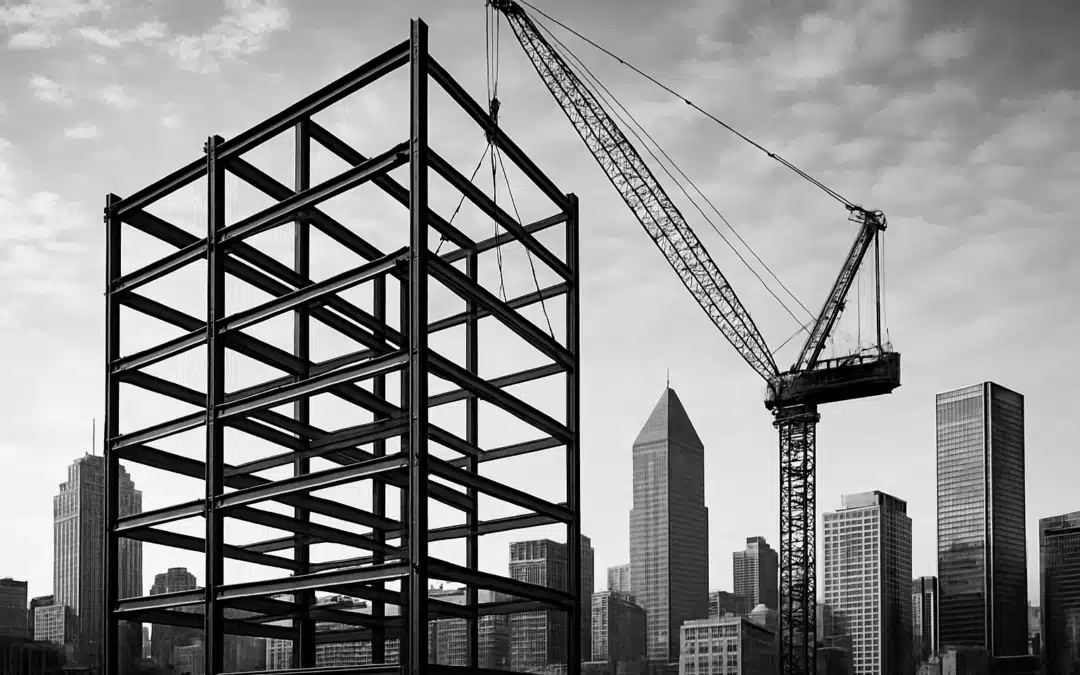
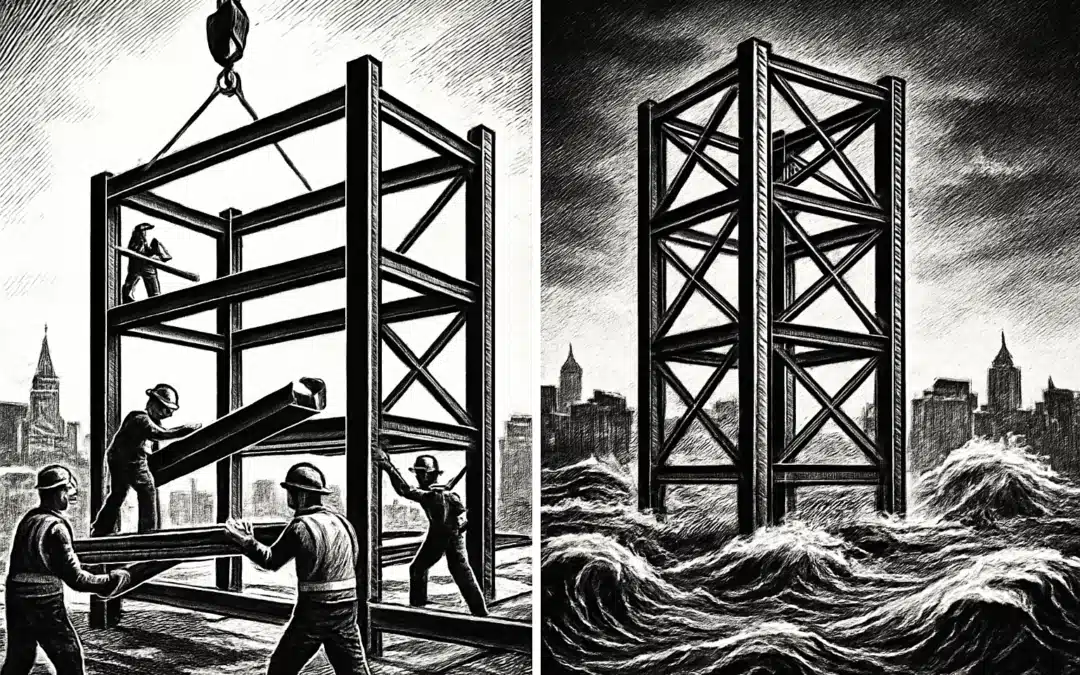
Well, the answer isn’t just a resounding ‘yes.’ It’s an authoritative ‘it’s about time!’ The adroitness steel structures provide through their modular nature not only reduces construction time but also keeps overruns in check. They’re like industrial-grade Lego that can be built swiftly and scaled up or down as required. Furthermore, steel structures offer a level of versatility and adaptability hard to match with traditional construction materials. This means that designs and blueprints don’t need to be stuck in concrete (pun intended!).
How do steel structures lie at the heart of cost-efficiency, speed, and sustainability?
Durable, efficient, and eco-friendly, steel has long been celebrated as a champion of sustainable construction. It’s no mystery why officials in British Columbia are continuously advocating steel for major projects, such as the renovation of British Columbia steel buildings. Working with steel is like playing chess with nature – planning for the long term, making strategic moves, and resulting in a win-win for developers and the environment.
Steel structures not only curtail upfront costs but also ensure less maintenance and repair over time. They’re insulated against drastic weather conditions and are less susceptible to mould, mildew, and infestation, cutting down indirect costs.
Speed of assembly is another huge feather in the cap of steel construction. The ability of your team to simultaneously design, fabricate, and erect a steel building kit can shave weeks, if not months, off your construction timeline. Let’s not forget that “time is money” in the construction industry.
Finally, the sustainability aspect. Steel construction not only helps in energy conservation but also addresses waste reduction. Even when they are dismantled, steel buildings don’t become useless scrap; they’re like the legendary phoenix, ready to rise from their own ashes, always serving a purpose.
Are steel structures the way forward for Canada?
The writing on the wall is clear: steel structures are a viable, efficient, and sustainable solution for Canada’s construction industry. The wake-up call in the form of the $185M estimate should trigger a radical rethink in urban planning and community development strategies.
It’s time to embrace the technology of building a barndominium in Canada. The transition from traditional building materials and methods might be challenging but, in the long run, it seems like the way forward.
Source: Read original article here.
Pro Tip for Developers:
Always assess your project against three criteria: cost-efficiency, speed of assembly, and sustainability. Steel construction offers an effective balance between these.
Now, we would love to hear from you. How are you adapting your building strategies this year? Do you consider steel structure construction as the future of Canada’s real estate sector? Drop your insights in the comment section.