Could Steel Constructions Be The Silver Lining Amidst Healthcare Infrastructure Crisis in BC?
The sun is setting on the British Columbia skyline, casting long shadows that are not just physical manifestations of the day’s end but symbolic of a deeper crisis. As another day comes to a close, so does the emergency room of the 100 Mile District General Hospital, for the 10th time this year, causing ripple effects of concern in the community.
Unlike typical domino sets that cause a rapid cascading effect, these series of closures are playing out like a game of Jenga, where the removal of one piece – in this case, reliable hospital service – compounds the problem and creates instability that threatens disrupting the entire system.
What Connects these Hospital Closures to the Construction and Real Estate Industry?
To an untrained eye, the connection between hospital closures and the construction industry might seem as far-fetched as shifting tectonic plates linking to the flutter of butterfly wings. However, if you scrutinize closely enough, the frailties plaguing our healthcare infrastructure are inexorably intertwined with the broader real estate field and the choice of building materials.
Steel Construction: An Appropriate Remedy for the Crisis?
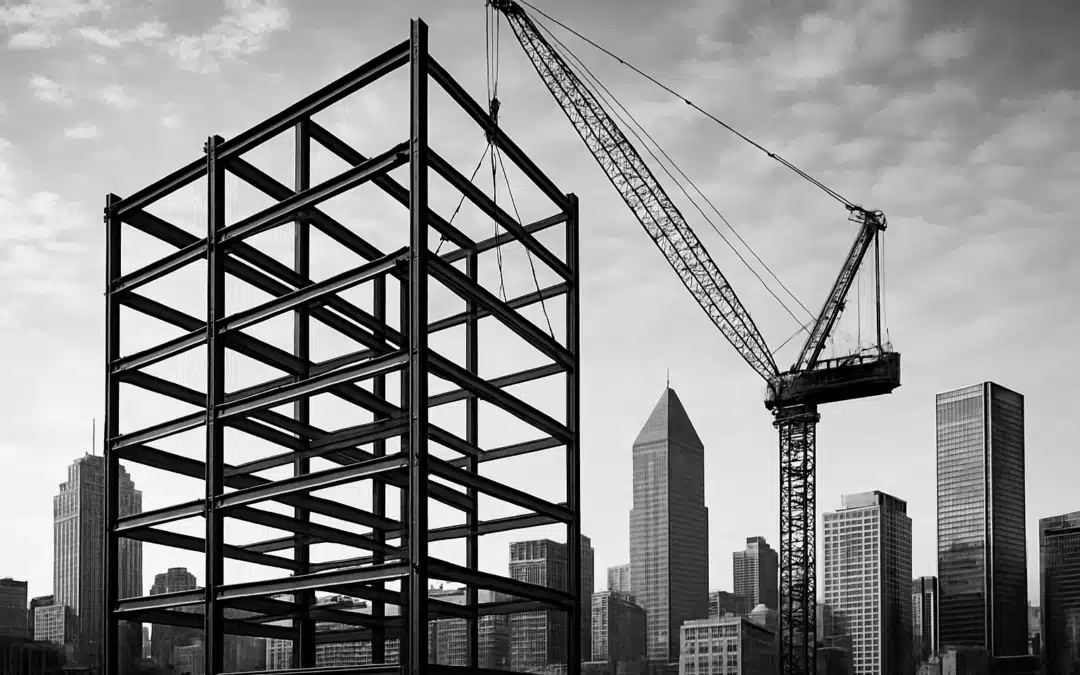
Enter the world of steel structure, where rigidity pairs effortlessly with malleability, merge resilience with ease of assembly, and marry sustainability with cost-effectiveness. Regarded as an industrial-grade Lego, steel structures offer wide-ranging benefits that can provide pragmatic solutions to the frail healthcare infrastructure.
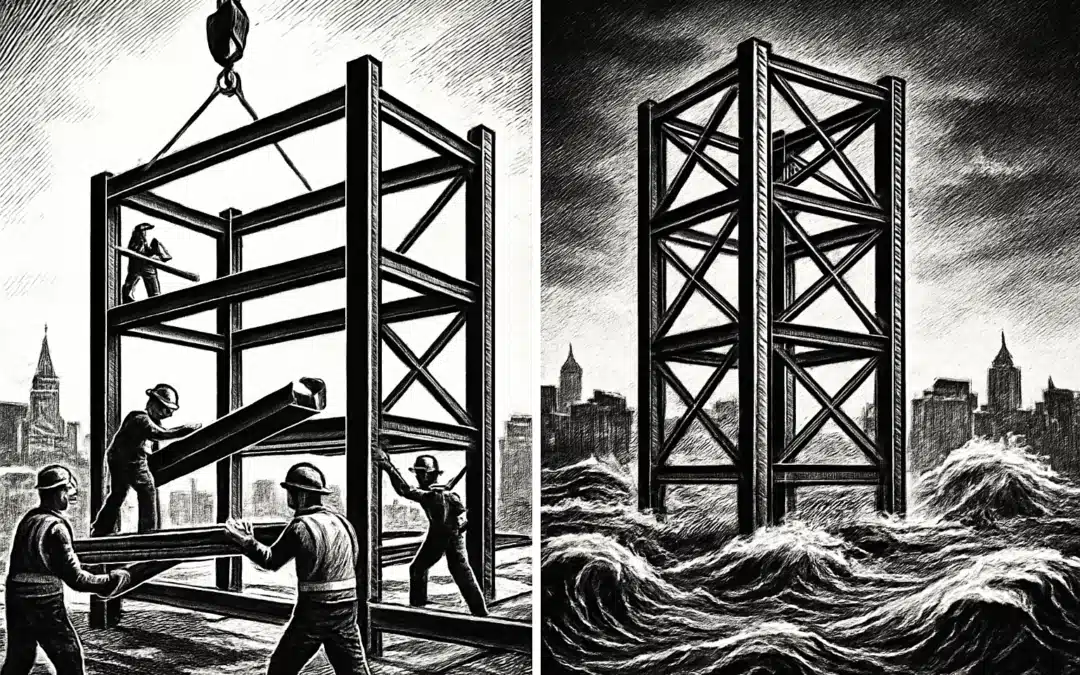
Firstly, steel structures are well-known for their speed of assembly. In situations where hospitals require expansion or new health centres need to be established, steel buildings can be erected swiftly, reducing the timelines and ensuring minimal disruption in services.
Secondly, cost and efficiency often waltz hand in hand in steel construction. Despite initial higher costs, lifecycle expenses are significantly lower, thanks to exceptional durability and lower maintenance requirements.
Thirdly, in today’s world where sustainability is more than just a buzzword, steel offers an eco-friendly solution. Steel structures have an impressive lifespan, are recyclable, and leave a smaller carbon footprint compared to traditional construction materials.
But Can British Columbia Leverage Steel Structures Effectively?
British Columbia can indeed harness the potential of steel structures effectively through regional solutions tailored to the unique needs of the province. Homegrown enterprises such as British Columbia steel buildings provide specialized services and play significant roles in creating more robust infrastructures.
Successful projects, such as the creation of steel farm equipment storage facilities in Abbotsford, stand as testaments to the credibility of these regional solutions.
Will This Approach Influence Other Regions in Canada as Well?
If successful, British Columbia’s transition to steel could serve as the blueprint for other regions, thereby reshaping the real estate landscape in Canada. However, each region should carefully consider local needs and contexts, as one size rarely fits all.
Projects like Barndominium building in BC, for example, illustrate how regional construction trends can be seamlessly integrated with steel structures, creating vital blueprints for the entire country.
In conclusion, while our healthcare sector might be experiencing a game of Jenga, steel structures offer the potential to prevent it from toppling over.
Pro Tip for Developers
In the shifting sands of today’s real estate industry, staying rooted while continually innovating is a conscious choice. So, consider steel construction not just as an alternative building method, but a key to unlock sustainability, speed, and cost-efficiency in your projects. And remember, a crisis often presents an opportunity for innovation.
I invite you to share your experiences and thoughts in the comment section below. How are you innovating and adapting your building strategies this year?
Source: Read original article here.