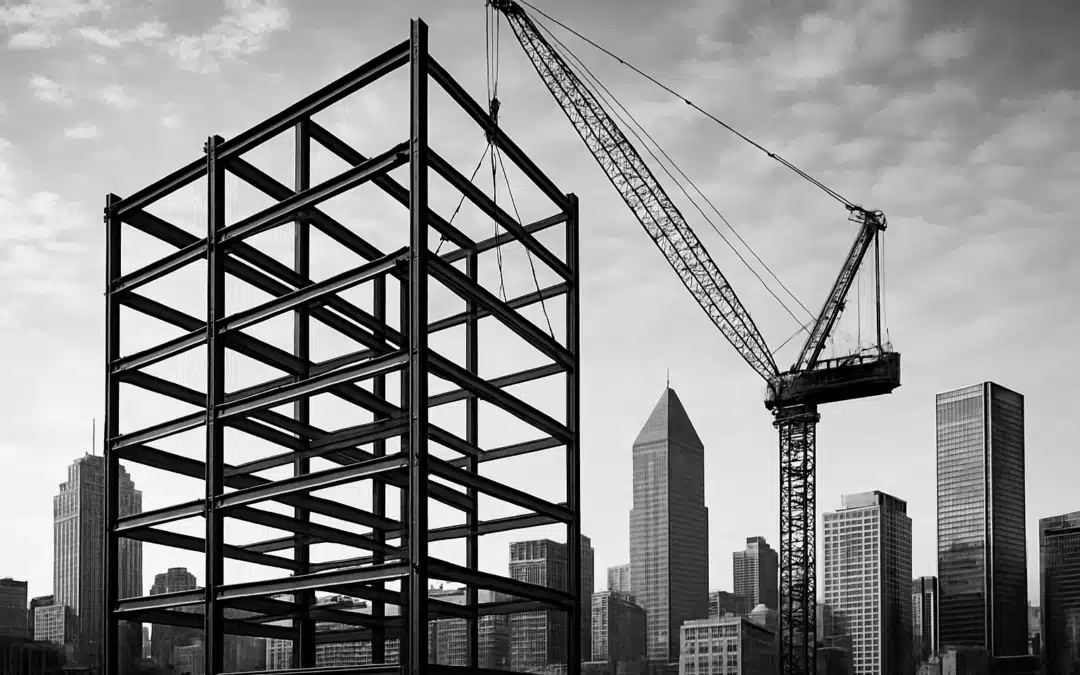
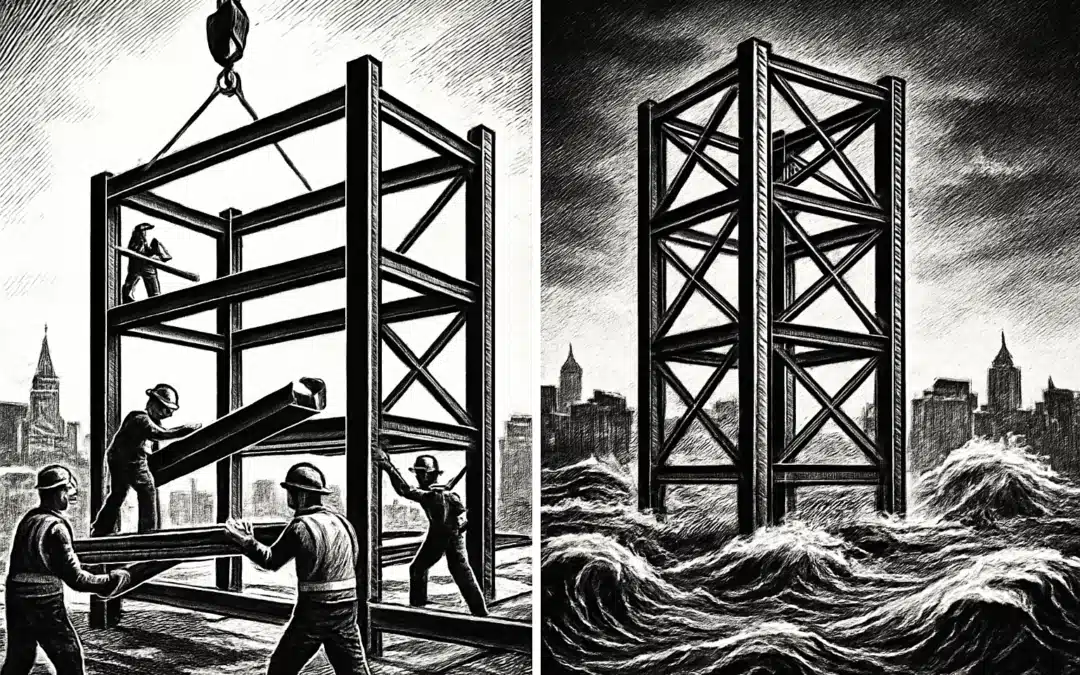
Is Construction the Unexpected Trailblazer for the New Age of Steel?
Do you remember those quaint days of analogue photography, waiting to see your photos developed? Picture the Canadian construction industry similarly on the cusp of its own digital moment.
As a B.C. photographer is experimenting with unexpected materials to develop film, the building world is turning to steel, ushering in unexpected innovation in the Canadian real estate market. Imagine a construction scenario where cost-efficiency, speed of assembly, and sustainability become synonymous with the building process.
How Is Steel Redefining the Canadian Construction Space?
Previously the domain of high-rise buildings and industrial zones, steel is now making inroads into residential and commercial structures, gaining popularity for pragmatic reasons. Steel buildings are much like being able to instantly view your photos on a digital camera – faster, more efficient and readily available.
What Does it Mean for Cost-efficiency?
To fully grasp steel’s cost-efficiency, picture slicing an apple – you wouldn’t use a butter knife when a sharper blade gets the job done faster and more effectively. Steel’s strength allows for fewer materials, translating to lower construction costs. By substituting traditional materials with steel structures, developers can expect savings up to 20% of the total construction cost.
Will Steel Accelerate the Assembly Process?
Building with steel is akin to playing with industrial-grade Lego, facilitating a speedier assembly process. Pre-engineered steel building kits are like puzzle pieces, designed to fit together flawlessly, reducing construction times by 30-50%.
Furthermore, the predictability of steel construction reduces chances of deadline disruptions. That means decreased labour costs and earlier occupancy, offering both tangible and intangible dividends.
How Does Steel Reiterate Commitment To Sustainability?
Just like the photographer using biodegradable items in the development process, using steel underscores our commitment to eco-responsibility. Steel is 100% recyclable and very often contains a significant amount of recycled material itself. By choosing steel constructions, we’re contributing to a future of circular economy.
Implications for the Canadian Real Estate Landscape
With new structures on the rise and demolition of old structures, there is always pressure on landfills. Opting for British Columbia steel buildings, for instance, can greatly reduce this pressure, paving the path for more sustainable regional solutions.
Let’s not overlook the aesthetic flexibility steel offers. From cozy, rustic barndominiums in British Columbia to sleek and modern commercial facilities, we can cater to a myriad of architectural tastes.
Of course, this shift toward steel is not without challenges. Construction professionals will need to adapt, learn new technologies, and perhaps reconsider traditional business models. But as Canada and the world transition into a greener future, the near-term investment could return substantial leverage in the competitive real estate market.
Source: Read original article here.
Pro Tip for Developers: Embrace change and continuously adapt your building strategies and methods to navigate this rapidly evolving industry.
Finally, we invite our fellow developers and interested readers to share their thoughts. How are you adapting your construction practices this year? Will steel be a part of your strategy? Let’s continue this conversation about the future of Canadian real estate.